
Health & Wellness Everyday food choices
Eating with the Seasons: An Ontario Guide
Let the changing harvest inspire your meals. Make room for what you have, what you enjoy, and what you can use well.
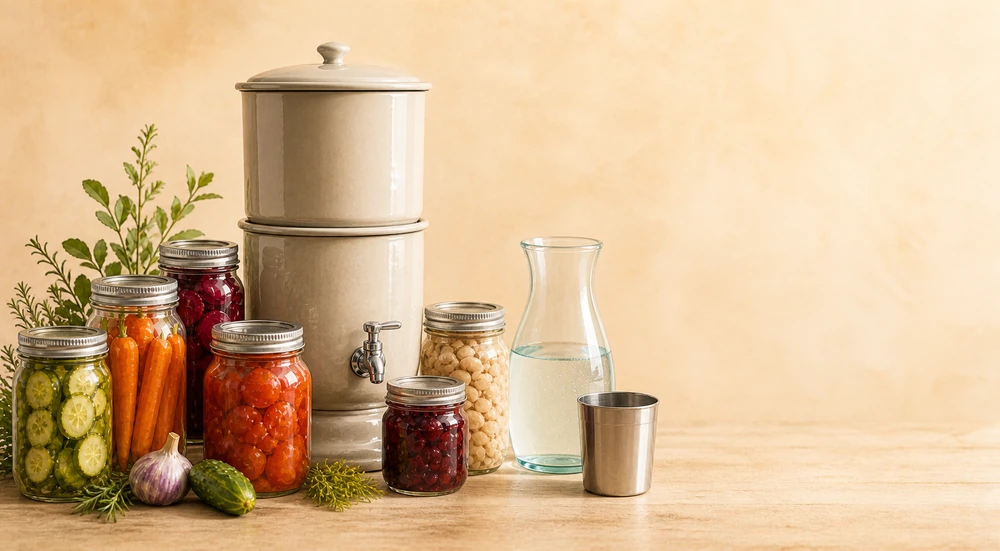
- Region
- Ontario, with Hamilton in mind
- Approach
- Flexible meals, less waste
- Start with
- One seasonal ingredient you will use
Seasonal eating can begin with a small change: trying asparagus when it arrives, using ripe summer tomatoes in a familiar meal, or planning a winter dinner around carrots and beans.
You do not need a completely new menu every week. A useful routine is to notice what is available, choose foods that fit your life, and give the ingredients you buy a clear purpose. Planning around food you already have can help prevent waste. [5]
01 / Read Ontario’s food calendar
What does “in season” mean in Ontario?
A crop’s outdoor harvest is one part of the picture. Ontario also supplies produce from storage and from greenhouses. Foodland Ontario’s calendar tracks availability: it lists apples and carrots year-round, and distinguishes field-grown tomatoes and cucumbers from greenhouse versions. [1]
Use a calendar as a starting point rather than a promise. Weather, growing region, variety and production method affect what reaches a shop or market. For Hamilton-area shopping, ask where an item was grown and what is arriving that week. [2]
Keep fresh, frozen and canned options in the picture
Canada’s food guide recognises all three as healthy choices. Choose frozen produce without added sugars or rich sauces, canned vegetables with little or no added sodium, and canned fruit with little or no added sugar. Seasonal fresh food can sit alongside these options. [3]
02 / A guide to the changing year
Ontario through the seasons
Choose a season for a few shopping ideas. The month ranges show typical Ontario availability windows. Check each crop’s range and the supply where you shop: weather, region and variety can change the timing. [1][2]
Spring
Start with the first field harvests
- Rhubarb
- April–June
- Asparagus
- May–June
- Field strawberries
- June–October
A meal idea: Pair cooked asparagus with white beans and whole grain pasta. Choose a fruit you have for the side.
Summer
Let a few ingredients carry the meal
- Blueberries
- July–September
- Peaches
- July–September
- Field tomatoes
- July–October
A meal idea: Make a tomato and chickpea salad with whole grain bread. Serve sliced peaches or berries alongside it.
Autumn
Plan around roasting, bowls and soups
- Pumpkins
- September–October
- Brussels sprouts
- September–November
- Pears
- August–December
A meal idea: Serve roasted pumpkin and Brussels sprouts with lentils and brown rice. Add a pear when you want fruit.
Winter
Use year-round Ontario options
- Apples & carrots
- Year-round availability
- Cooking onions & potatoes
- Year-round availability
- Greenhouse cucumbers & tomatoes
- Year-round availability
A meal idea: Build a carrot, onion and white-bean soup, with whole grain bread and a side of apple slices.
Produce windows: Foodland Ontario. Meal ideas: PUREARTH. See the full availability guide for more crops; check current supply where you shop.
03 / Keep a familiar structure
Change the produce, keep the meal idea
Instead of collecting a new recipe for every purchase, keep a few adaptable meals in mind: a grain bowl, vegetable soup, whole grain pasta, a wrap or a stir-fry. Change the vegetables with the season and use a protein food you enjoy.
A helpful guide to proportions
Canada’s food guide uses these proportions for meals, including mixed dishes. Choose plant-based protein foods more often. The diagram is a proportion guide, not a fixed serving size or a calorie calculation. [4]
For a bowl, that might mean plenty of vegetables, some brown rice or barley, and beans, lentils, tofu, fish or another protein food. For soup, think about the mix in the pot and what you serve alongside it. Adapt the flavours to your household’s food traditions and preferences.
Make a shopping list with room to change
Write “a vegetable for roasting” or “fruit for breakfasts”, then choose an option that fits your budget and meals. Check the fridge, freezer and pantry first. Buy for the number of meals you will actually prepare, and keep a convenient frozen option for a busy evening. [5]
04 / Give ingredients more than one use
Two meals and a freezer portion
Start with a small autumn plan: carrots, winter squash, cooked lentils and a whole grain. Decide how much you need before cooking; a household of one may want a much smaller batch.
Today: make a grain bowl
Roast the vegetables and serve a portion with lentils and a whole grain. Before serving, set aside separate portions for tomorrow and the freezer.
Tomorrow: change the format
Use the properly chilled reserved vegetables and lentils in a whole grain wrap. Add a fresh vegetable you already have, rather than buying another bag just for this meal.
Later: use the portion you froze
Freeze the extra portion promptly after cooling. Label it with its contents and cooking date. It can become the base of a future soup, with extra vegetables and liquid when you prepare it.
Adapt the amounts to your household. Canada’s food guide shows how prepared vegetables, legumes and whole grains can be used in different meals. [6]
05 / Help good food last
Store each food where it belongs
Getting food home is only the first step. Follow package directions and use storage that suits the item; not every vegetable or fruit belongs in the same drawer.
Berries & apples
Refrigerate in well-ventilated containers or bags. Rinse berries when preparing or eating them, rather than putting them away wet.
Carrots & beets
Remove leafy tops before refrigerating. Their leaves spoil faster than the roots.
Onions & garlic
Keep dry bulb onions at room temperature. Store garlic somewhere cool, dry and well ventilated.
Cut & prepared produce
Refrigerate promptly. Store raw meat and its juices separately from produce and ready-to-eat food.
Storage examples: Health Canada’s vegetable and fruit guide and safe food storage guidance. Keep the fridge at 4°C or colder and freezer at −18°C or colder. [7][8]
Freezing can help when you have more sound produce than you can use. Follow the crop’s preparation instructions: most vegetables need blanching before freezing to slow enzymes that affect quality. The timing depends on the vegetable and its size; use a tested crop-specific guide. [10]
06 / Build a routine you can keep
Notice, use, then adjust
Make the next useful action easy to see. A small “use first” area in the fridge can hold food that needs attention soon. Keep date labels visible and check it before making another shopping list.
- Buy with a purpose. Give each fresh purchase a meal or snack. A large pack only helps if you can use or safely store it.
- Make a plan for the remainder. If a recipe uses part of a cabbage, choose another meal for the rest while you are planning.
- Freeze early enough to help. Set aside food within its safe storage window, then label the portion. Choose food you have handled and stored safely. [8][9]
- Learn from one week. Notice what repeatedly goes uneaten. Buy less of it next time, try a different format, or choose something your household prefers.
These are practical ways to apply the food guide’s advice to plan purchases, use overlapping ingredients and reuse prepared food. Choose one habit first, rather than trying to reorganise your whole kitchen. [5][6]
Give unavoidable scraps the right destination
Check the City of Hamilton’s Green Bin guidance for food scraps you cannot use. Keeping edible food in meals is the first goal; local organics collection provides a route for accepted scraps. [12]
07 / Common questions
A flexible approach, all year
Do I have to buy only fresh or Ontario-grown food?
No. Use seasonal Ontario produce when it fits your meals, access and budget. Frozen and canned vegetables and fruit can be healthy, convenient choices. A workable routine can include all of them. [3]
Does “in season” guarantee a lower price?
No price is guaranteed by this calendar. Compare the prices and package sizes in front of you, then consider how much your household will actually use. A smaller purchase may be more useful than a larger quantity that goes uneaten.
Should I throw food away on its best-before date?
A Canadian best-before date describes the quality of an unopened, properly stored food; it is not a safety deadline or a safety guarantee. Once opened, storage life can change. Follow storage instructions, and do not confuse this with an expiration date, which applies to certain products and must be respected. [11]
Let the season offer an idea, then let your kitchen shape the plan. Choosing a few foods you enjoy, storing them well and using them fully is a practical place to begin.
Read the guidance
Sources & further reading
Original PUREARTH writing informed by Ontario availability information, Canadian public-health guidance and university food-preservation resources. Sources checked October 18, 2026. Meal ideas are flexible examples; use the storage and handling guidance alongside them.
- Foodland Ontario — Availability guide (PDF)Ontario crop windows, year-round availability, and distinctions between field and greenhouse produce. See also the online guide.
- Farmers’ Markets Ontario — What’s in Season at Ontario Farmers’ Markets?Industry association guidance on variation by weather, region, variety and growing method.
- Health Canada — Eat vegetables and fruitsFresh, frozen and canned choices, and selection advice for sodium, sugars and sauces.
- Health Canada — Make healthy meals with Canada’s food guide plateFood proportions, plant-based protein choices and flexible use in mixed dishes.
- Health Canada — Plan what you eatPlanning to fit schedules and household size, buying what will be used, and overlapping ingredients.
- Health Canada — Meal planning using leftoversReusing cooked vegetables, legumes and whole grain foods in different meals.
- Health Canada — Storing vegetables and fruitsProduce-specific washing, refrigeration, ventilation and other storage choices.
- Health Canada — Safe food storageRefrigerator and freezer temperatures, prepared produce and cross-contamination prevention.
- Health Canada — Food safety tips for leftoversPrompt cooling, two-hour room-temperature limit, 2–3-day refrigerated use, thawing and reheating.
- University of Georgia / NCHFP — Blanching VegetablesWhy blanching matters for frozen quality and why times vary by crop and size.
- Canadian Food Inspection Agency — Best before, expiration and moreCanadian date labels, unopened-product quality and expiration dates.
- City of Hamilton — Green BinLocal instructions for accepted food scraps and organics collection.